io.github.ie3jp/illustrator-mcp-server
Adobe Illustrator MCP with 66 tools — more than the official Illustrator MCP. macOS | Windows.
🇺🇸 English | 🇯🇵 日本語 | 🇨🇳 简体中文 | 🇰🇷 한국어 | 🇪🇸 Español | 🇩🇪 Deutsch | 🇫🇷 Français | 🇵🇹 Português (BR)
🇯🇵 日本語の README は README.ja.md にあります。
Illustrator MCP Server






An MCP (Model Context Protocol) server for reading, manipulating, and exporting Adobe Illustrator design data — with 66 built-in tools.
Control Illustrator directly from AI assistants like Claude — extract design information for web implementation, verify print-ready data, and export assets.
Everything Adobe's official Illustrator MCP (beta) can do — and more. See the comparison.

[!NOTE] In Claude's extension directory and plugin marketplace, this project is listed as Design Bridge by IE3. Anthropic's directories don't allow other companies' brand names in listing names, so the listing name differs — it is the same project, and the npm package is still
illustrator-mcp-server. If you installed the Claude Code plugin under its earlier name (illustrator@ie3jp-illustrator), see Claude Code to reinstall it.
🎨 Gallery
All artwork below was created entirely by Claude through natural language conversation — no manual Illustrator operation involved.
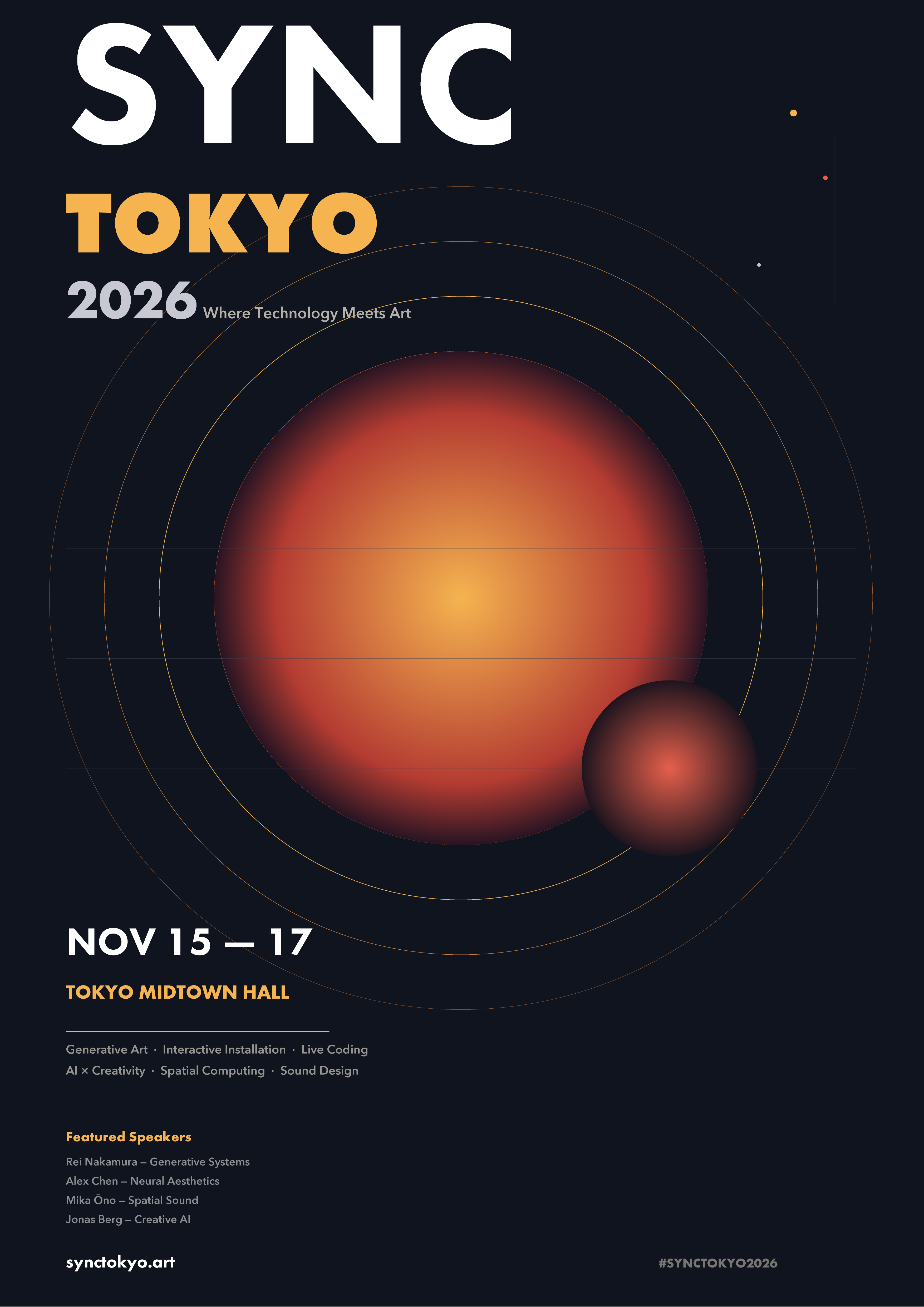 Event Poster |
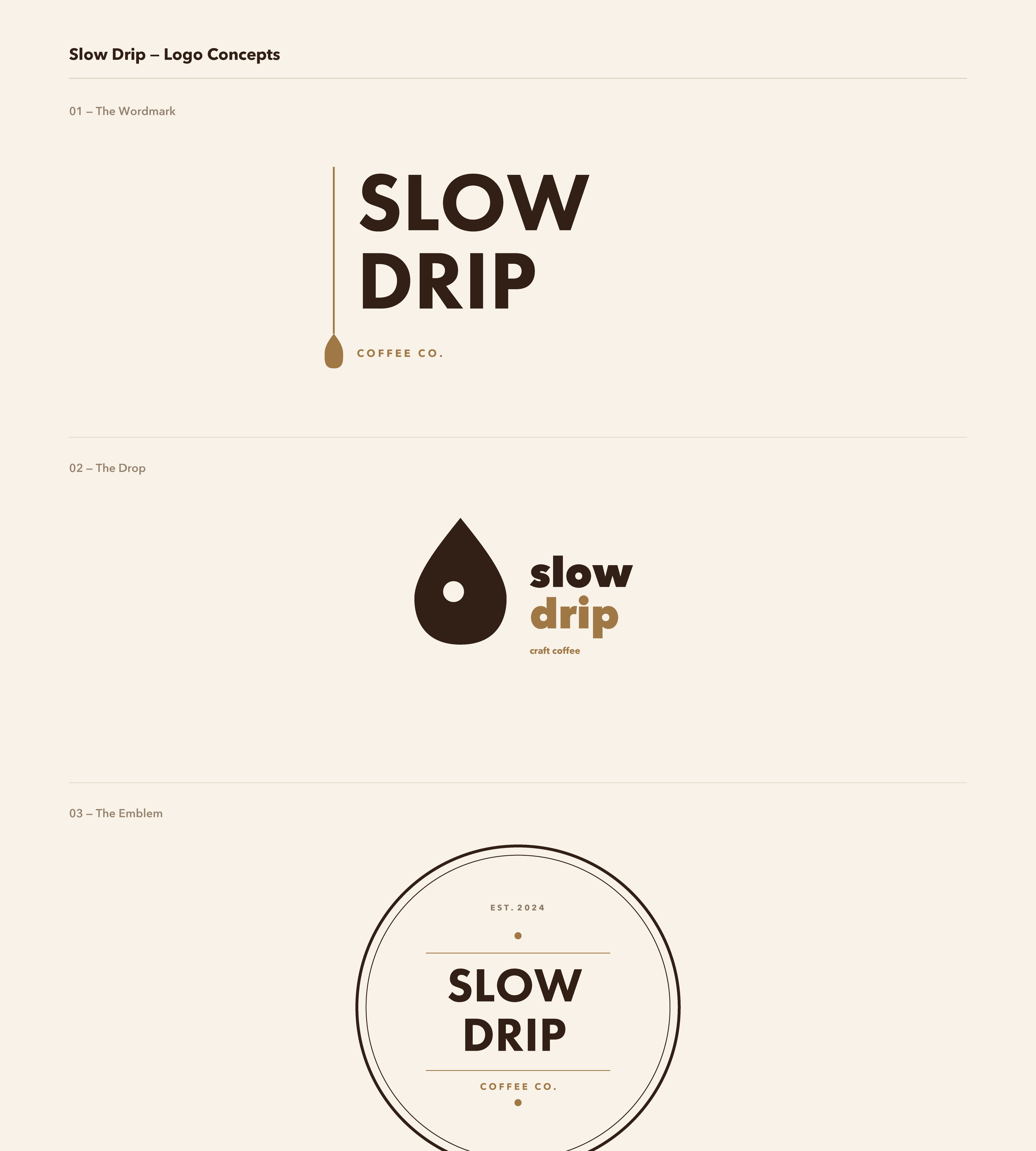 Logo Concepts |
 Business Card |
 Twilight Geometry |
See detailed breakdowns below for prompts, tool usage, and artboard structure.
[!TIP] Developing and maintaining this tool takes time and resources. If it helps your workflow, your support means a lot — ☕ buy me a coffee!
🚀 Quick Start
🛠️ Claude Code
Requires Node.js 20+.
claude mcp add illustrator-mcp -- npx illustrator-mcp-server
Or install it as a plugin, which bundles the MCP server with a pre-press preflight skill (also works in Claude Cowork):
/plugin install ie3-design-bridge --marketplace ie3jp/illustrator-mcp-server
On Claude Code earlier than v2.1.275, add the marketplace first:
/plugin marketplace add ie3jp/illustrator-mcp-server
/plugin install ie3-design-bridge@ie3
If you already added the server with claude mcp add, remove it first (claude mcp remove illustrator-mcp) so it doesn't run twice.
🖥️ Claude Desktop
- Download
illustrator-mcp-server.mcpbfrom GitHub Releases - Open Claude Desktop → Settings → Extensions
- Drag and drop the
.mcpbfile into the Extensions panel - Click the Install button
Alternative: manual config (always up to date via npx)
[!NOTE] The
.mcpbextension does not auto-update. To update, download the new version and reinstall. If you prefer automatic updates, use the npx method below instead.
Requires Node.js 20+. Open the config file and add the connection settings.
1. Open the config file
From the Claude Desktop menu bar:
Claude → Settings... → Developer (in the left sidebar) → Click the Edit Config button
2. Add the settings
{
  "mcpServers": {
    "illustrator": {
      "command": "npx",
      "args": ["illustrator-mcp-server"]
    }
  }
}
[!NOTE] If you installed Node.js via a version manager (nvm, mise, fnm, etc.), Claude Desktop may not find
npx. In that case, use the full path:"command": "/full/path/to/npx"Run
which npxin your terminal to find the path.
3. Save and restart
- Save the file and close the text editor
- Fully quit Claude Desktop (⌘Q / Ctrl+Q) and reopen it
[!CAUTION] AI can make mistakes. Do not over-rely on the output — always have a human perform the final check on submission data. The user is responsible for the results.
[!NOTE] macOS: On first run, allow automation access in System Settings > Privacy & Security > Automation.
[!NOTE] Most modify tools bring Illustrator to the foreground during execution. Read tools and
exportrun without switching apps;export_pdfbrings Illustrator forward only when drawing Japanese crop marks.
[!NOTE] Your files are protected by default.
close_documentwill not throw away unsaved changes unless you explicitly choose to (save: false), andexport,export_pdf,save_document(save as) andextract_design_tokenswill not replace an existing file unlessoverwrite: trueis set. If that is what you want, just tell Claude to "close without saving" or "overwrite the file".
Multiple Illustrator Versions
If you have multiple versions of Illustrator installed, you can tell Claude which version to use during conversation. Just say something like "Use Illustrator 2024" and the set_illustrator_version tool will target that version.
Supported versions: Illustrator 2024 (v28) and later are verified. Illustrator 2020–2023 (v24–v27) are expected to work — every ExtendScript API this server uses has existed since v24 — but they are not verified, so tools return a warning when running on them. Versions older than 2020 (v24) are rejected. If something breaks on an unverified version, please open an issue.
[!NOTE] If Illustrator is already running, the server connects to the running instance regardless of the version setting. The version is only used to launch the correct version when Illustrator is not yet running.
Environment Variables
| Variable | Default | Description |
|---|---|---|
ILLUSTRATOR_MCP_TIMEOUT_NORMAL | 30000 | Timeout in milliseconds for normal tools |
ILLUSTRATOR_MCP_TIMEOUT_HEAVY | 60000 | Timeout in milliseconds for heavy tools (placing or importing files, export, preflight, style guides and color chips, size variations) |
Raise these when a single call needs longer than the default: importing a large SVG with import_svg_as_editable (100+ objects), or running get_document_structure / export_pdf on a big document.
Values must be positive integers in milliseconds. Anything else (0, a negative number, a non-numeric string, or a value above 2147483647) falls back to the default. They are read once at server startup.
{
  "mcpServers": {
    "illustrator": {
      "command": "npx",
      "args": ["illustrator-mcp-server"],
      "env": {
        "ILLUSTRATOR_MCP_TIMEOUT_NORMAL": "60000",
        "ILLUSTRATOR_MCP_TIMEOUT_HEAVY": "180000"
      }
    }
  }
}
🎬 What You Can Do
You:    Show me all the text information in this document
Claude:  → list_text_frames → get_text_frame_detail
         There are 12 text frames in the document.
         The heading "My Design" uses Noto Sans JP Bold 48px, color #333333 ...
You:    Run a pre-press preflight check
Claude:  → preflight_check
         ⚠ 2 warnings:
         - Low resolution image: image_01.jpg (150dpi) — 300dpi or higher recommended
         - Non-outlined fonts: 3 text frames
You:    Check text for inconsistencies
Claude:  → check_text_consistency
         📝 Consistency Report:
         ⚠ "Contact Us" vs "Contact us" — capitalization mismatch
         ❌ "Lorem ipsum" (2 places) — placeholder text remaining
You:    Create banner size variations from this A4 flyer
Claude:  → get_document_info → resize_for_variation
         Created 3 size variations:
         - 728×90 / 300×250 / 160×600
🆚 Comparison with Adobe's Official Illustrator MCP
In short: everything the official MCP does, this project does too — plus a lot more. Adobe ships a built-in MCP server in Illustrator Beta (30.4+, still beta-only as of August 2026), focused on analyzing and batch-processing existing documents. This project covers those same workflows — analysis, bulk recoloring, variations, batch artboard export, font / broken-link checks — and adds what the official server doesn't have: creating artwork from scratch, saving documents, print & prepress checks, and design-system tools. And it runs on stable Illustrator, no beta required.
| This project | Adobe official MCP (beta) | |
|---|---|---|
| Installation | npm (npx illustrator-mcp-server) or one-click .mcpb install | Built into Illustrator Beta — get an auth key + URL from the app settings, connect via mcp-remote |
| Supported versions | Illustrator 2024+ verified / 2020+ unverified (macOS / Windows) | Illustrator Beta 30.4+ only |
| Number of tools | 66 | ~40 |
| Analyzing & batch-processing existing documents | ✅ Structure / color / font analysis, bulk recolor, variations & datasets, batch artboard export (artboard:all), font & broken-link preflight | ✅ Its main focus |
| Creating objects from scratch | ✅ Full set — documents, shapes, paths, text frames, path text, gradients | ❌ No new objects, text frames, or documents * |
| Saving documents | ✅ save_document (save / save-as) | ❌ Export only * |
| Print & prepress | ✅ Crop marks, preflight, overprint / separation info, outlines, color profiles | — |
| Design system | ✅ Design tokens, WCAG contrast check, style guides, text consistency | — |
* Based on user reports as of April 2026 (beta). The official server is under active development — see Adobe's documentation for the latest status.
📖 Recipes
Extract colors and fonts for CSS
You:    Summarize the colors and typography in this design

Claude:  → get_colors → list_text_frames → get_text_frame_detail

         ■ Color Palette
         - Primary: #1A73E8 (CMYK: 85,50,0,0)
         - Secondary: #34A853
         - Text: #202124
         - Background: #FFFFFF

         ■ Typography
         - Headings: Noto Sans JP Bold / 32px
         - Body: Noto Sans JP Regular / 16px / line-height: 1.75
         - Captions: Noto Sans JP Medium / 12px
Export artboards as SVG / PNG
You:    Export all artboards as SVG with outlined text

Claude:  → get_artboards → convert_to_outlines → export (repeated)

         Exported 4 artboards:
         - /output/header.svg
         - /output/hero.svg
         - /output/feature.svg
         - /output/footer.svg
Check PDF/X-1a compliance before submission
You:    Check if this document is PDF/X-1a compliant

Claude:  → preflight_check (target_pdf_profile: "x1a")

         ❌ PDF/X-1a compliance errors:
         - Transparency on 3 objects (X-1a prohibits transparency)
         - RGB colors found in 2 places (X-1a requires CMYK/spot only)

         ⚠ Warnings:
         - 5 non-outlined fonts (embedding recommended)
         - Image "photo_02.jpg" at 150dpi (300dpi recommended)
Check image quality for print
You:    Check placed image quality for print

Claude:  → get_images (include_print_info: true)

         ■ Image Quality Report:
         ✅ hero.psd — CMYK, 350ppi effective
         ⚠ icon_set.png — RGB (mismatch with CMYK document), 300ppi effective
         ❌ photo_bg.jpg — CMYK, 72ppi effective (over-enlarged)
           → Replace with a 300dpi+ image at actual size
Check WCAG color contrast ratios
You:    Check text contrast ratios

Claude:  → check_contrast (auto_detect: true)

         ■ WCAG Contrast Report:
         ❌ "Caption" on "light gray" — 2.8:1 (AA fail)
         ⚠ "Subheading" on "white" — 4.2:1 (AA Large OK, AA Normal fail)
         ✅ "Body text" on "white" — 12.1:1 (AAA pass)
Workflow Templates
Pre-built workflow templates available in the Claude Desktop prompt picker.
| Template | Description |
|---|---|
quick-layout | Paste text content and Claude arranges it on the artboard as headings, body, and captions |
print-preflight-workflow | Comprehensive 7-step pre-press check (document → preflight → overprint → separations → images → colors → text) |
Tool Reference
Read Tools (21)
Click to expand
| Tool | Description |
|---|---|
get_document_info | Document metadata (dimensions, color mode, profile, etc.) |
get_artboards | Artboard information (position, size, orientation) |
get_layers | Layer structure as a tree |
get_document_structure | Full tree: layers → groups → objects in one call |
list_text_frames | List of text frames (font, size, style name) |
get_text_frame_detail | All attributes of a specific text frame (kerning, paragraph settings, etc.) |
get_colors | Color information in use (swatches, gradients, spot colors; each used color listed once with a usage count). include_diagnostics for print analysis |
get_path_items | Path/shape data (fill, stroke, anchor points) |
get_groups | Groups, clipping masks, and compound path structure |
get_effects | Effects and appearance info (opacity, blend mode) |
get_images | Embedded/linked image info (resolution, broken link detection). include_print_info for effective resolution per axis & color space mismatch |
get_symbols | Symbol definitions and instances |
get_guidelines | Guide information |
get_overprint_info | Overprint settings on paths, text and raster images + K100/rich black detection, with a heuristic label inferred from colors only (it cannot know your intent) |
get_separation_info | Color separation info (process and spot plates actually used, with usage counts; inks with no detected usage are listed separately) |
get_selection | Details of currently selected objects |
find_objects | Search by criteria (name, type, color, font, etc.) |
check_contrast | WCAG color contrast ratio check (manual or auto-detect overlapping pairs) |
extract_design_tokens | Extract design tokens as CSS custom properties, JSON, or Tailwind config (writing to a file never replaces an existing one without overwrite: true) |
list_fonts | List fonts available in Illustrator (no document required) |
convert_coordinate | Convert points between artboard and document coordinate systems |
Modify Tools (39)
Click to expand
| Tool | Description |
|---|---|
create_rectangle | Create a rectangle (supports rounded corners) |
create_ellipse | Create an ellipse |
create_line | Create a line |
create_text_frame | Create a text frame (point or area type) with optional tracking, leading and paragraph alignment. font_name must be the exact name from list_fonts — an unknown font is an error, not a silent fallback |
create_path | Create a custom path (with Bezier handles) |
place_image | Place a raster/PDF image file as linked or embedded (SVG is rejected — use import_svg_as_editable) |
import_svg_as_editable | Import an SVG file as editable Illustrator paths/text/groups (not as a linked image) |
modify_object | Modify properties of an existing object (incl. text tracking, leading and alignment). Fill/stroke on a group or compound path is applied to every path and text inside it |
convert_to_outlines | Convert text to outlines |
create_document | Create a new document (size, color mode) |
close_document | Close the active document (with unsaved changes, it won't close unless save is specified) |
resize_for_variation | Create size variations from a source artboard (proportional scaling) |
align_objects | Align and distribute multiple objects |
replace_color | Find and replace colors across document (with tolerance) |
manage_layers | Add, rename, show/hide, lock/unlock, reorder, or delete layers |
place_color_chips | Extract unique colors and place color chip swatches outside artboard |
save_document | Save or save-as the active document (save-as won't replace an existing file without overwrite: true) |
open_document | Open a document from file path |
group_objects | Group objects (supports clipping masks) |
ungroup_objects | Ungroup a group, releasing children |
duplicate_objects | Duplicate objects with optional offset |
set_z_order | Change stacking order (front/back) |
move_to_layer | Move objects to a different layer |
delete_objects | Delete objects by UUID (locked objects need force_unlock; undo may revert it, but undo steps follow Illustrator's history, not MCP calls) |
manage_artboards | Add, remove, resize, rename, rearrange artboards |
manage_swatches | Add, update, or delete swatches |
manage_linked_images | Relink or embed placed images |
manage_datasets | List/apply/create datasets, import/export variables |
apply_graphic_style | Apply a graphic style to objects |
list_graphic_styles | List all graphic styles in the document |
apply_text_style | Apply character or paragraph style to text |
list_text_styles | List all character and paragraph styles |
create_gradient | Create gradients and apply to objects |
create_path_text | Create text along a path (optional tracking and alignment; same exact-font_name rule as create_text_frame) |
place_symbol | Place or replace symbol instances |
select_objects | Select objects by UUID (multi-select supported) |
create_crop_marks | Create crop marks (trim marks) with locale-based style auto-detection (Japanese double-line / Western single-line) |
place_style_guide | Place a visual style guide outside the artboard on a non-printing layer (colors, fonts, spacing, margins, guide gaps). Measurement marks on the artboard itself are opt-in (annotate_artboard) |
undo | Undo/redo operations (multi-step) |
Export Tools (2)
Click to expand
| Tool | Description |
|---|---|
export | SVG / PNG / JPG export (by artboard, selection, or UUID — selection/UUID export only that object; won't replace an existing file without overwrite: true) |
export_pdf | Print-ready PDF export (crop marks, bleed, selective downsampling, output intent) |
Utility (4)
Click to expand
| Tool | Description |
|---|---|
preflight_check | Pre-press check (RGB mixing, broken links, low resolution, white overprint, transparency+overprint interaction, PDF/X compliance, etc.). Reports which checks were complete or only partial (coverage) |
check_text_consistency | Text consistency check (placeholder detection, notation variation patterns, full text listing for LLM analysis) |
set_workflow | Set workflow mode (web/print) to override auto-detected coordinate system |
set_illustrator_version | Choose which Illustrator version to use when several are installed |
Coordinate System
The server automatically detects the coordinate system from the document:
| Document type | Coordinate system | Origin | Y axis |
|---|---|---|---|
| CMYK / Print | document | Bottom-left | Up |
| RGB / Web | artboard-web | Top-left of artboard | Down |
- CMYK documents use Illustrator's native coordinate system, matching what print designers expect
- RGB documents use a web-style coordinate system that is easier for AI to work with
- Use
set_workflowto override the auto-detected coordinate system if needed - All tool responses include a
coordinateSystemfield indicating which system is active - If auto-detection fails, tools return an error instead of guessing — pass
coordinate_systemexplicitly or callset_workflow
Example: SMPTE Test Pattern
A 1920×1080 SMPTE color bar test pattern, created entirely through natural language instructions to Claude.
Prompt:
Make a 1920x1080 video test pattern
Result:
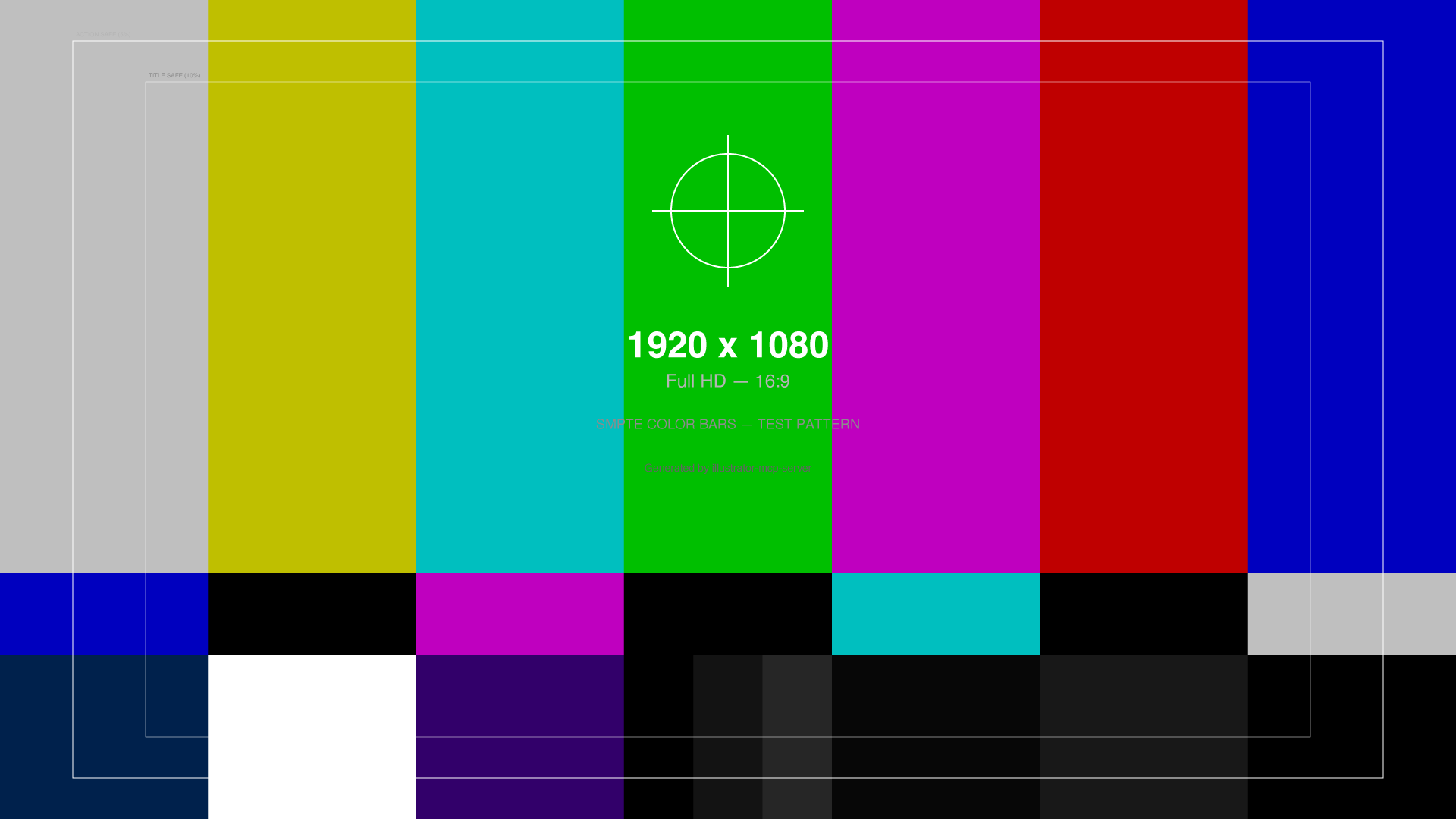
Artboard structure (via get_document_structure):
Click to expand
Labels
├── title-safe-label        (text)    — "TITLE SAFE (10%)"
├── action-safe-label       (text)    — "ACTION SAFE (5%)"
├── credit-label            (text)    — "Generated by illustrator-mcp-server"
├── test-label              (text)    — "SMPTE COLOR BARS — TEST PATTERN"
├── format-label            (text)    — "Full HD — 16:9"
└── resolution-label        (text)    — "1920 x 1080"

Center Cross
├── title-safe              (path)    — 1536×864 stroke rectangle
├── action-safe             (path)    — 1728×972 stroke rectangle
├── cross-circle            (path)    — 150×150 center circle
├── cross-v                 (path)    — vertical crosshair
└── cross-h                 (path)    — horizontal crosshair

Color Bars
├── pluge-black … pluge-navy   (path ×9)  — PLUGE / grayscale bottom strip
├── rev-white … rev-blue       (path ×7)  — reverse color middle strip
└── bar-white … bar-blue       (path ×7)  — 75% SMPTE color bars
Tools used:
create_document,manage_layers,create_rectangle×23,create_line×2,create_ellipse,create_text_frame×6,modify_object×4,save_document,export
Example: Twilight Geometry
An abstract geometric landscape artwork — created entirely by Claude, with no human design direction beyond "make whatever art you want."
Prompt:
Make an art piece of your own imagination in Illustrator. Take your time. Create whatever you like.
Claude's process:
I'll create "Twilight Geometry" — an abstract landscape with geometric celestial elements. A deep gradient twilight sky, layered mountain silhouettes, a crescent moon with decorative rings, and stars scattered across the canvas.
Diamond-shaped stars in different colors — warm whites, cool blues, lavender purples — each one subtly different to suggest different types of stars. Constellation lines connecting them. Wireframe triangles and a hexagon floating in the sky for a mystical atmosphere.
A water surface at the bottom with the moon's light reflected as shimmering wavy lines, fading as they descend.
Claude's reflection:
It turned out better than I expected. I think the hybrid world of geometry and nature came through well.
Result:
Tools used:
create_document,manage_layers×4,create_rectangle×2,create_gradient×2,create_path×11,create_ellipse×14,create_line×4,create_text_frame×2,modify_object,set_z_order,export
Known Limitations
| Limitation | Details |
|---|---|
| Windows support | Windows uses PowerShell COM automation (not yet tested on real hardware) |
| Live effects | Drop shadow and other effect parameters can be detected but not read |
| Color profiles | Color profile assignment only — full conversion is not available |
| Bleed settings | Bleed settings cannot be read (Illustrator API limitation) |
| WebP export | Not supported — use PNG or SVG instead |
| Japanese crop marks | PDF export draws the marks temporarily on the document with the TrimMark command, exports, then removes them. Single-artboard documents only — multi-artboard documents return an error |
| Font embedding | Embedding mode (full/subset) cannot be controlled directly — use PDF presets |
| Size variations | Proportional scaling only — text may need manual adjustment afterward |
| SVG text glyph fallback | Illustrator does not fall back per glyph across a font-family list. If the first family is installed but lacks a glyph, import_svg_as_editable drops that character silently and still reports success. Use one font-family per text element and choose one that contains the glyphs you need. An uninstalled family is substituted instead and is unaffected; preflight_check covers that separate case |
| Object notes | Tools identify objects by a UUID stored in each object's note (Attributes panel). A note you wrote yourself is kept — the UUID is added in front of it |
For Developers
Architecture
flowchart LR
    Claude <-->|MCP Protocol| Server["MCP Server\n(TypeScript/Node.js)"]

    Server -.->|generate| Runner["run-{uuid}.scpt / .ps1"]
    Server -.->|generate| JSX["script-{uuid}.jsx\n(BOM UTF-8)"]
    Server -.->|write| PF["params-{uuid}.json"]

    Runner -->|execFile| osascript
    Runner -->|execFile| PS["powershell.exe"]

    osascript -->|do javascript| AI["Adobe Illustrator\n(ExtendScript/JSX)"]
    PS -->|DoJavaScript| AI

    JSX -.->|execute| AI
    PF -.->|read| AI
    AI -.->|write| RF["result-{uuid}.json"]
    RF -.->|read| Server
Building from Source
git clone https://github.com/ie3jp/illustrator-mcp-server.git
cd illustrator-mcp-server
npm install
npm run build
claude mcp add illustrator-mcp -- node /path/to/illustrator-mcp-server/dist/index.js
Verify
npx @modelcontextprotocol/inspector npx illustrator-mcp-server
Testing
# Unit tests
npm test

# E2E smoke test (requires Illustrator running)
npm run build   # E2E runs dist/index.js
npx tsx test/e2e/e2e-test.ts        # every tool (192 cases)
npx tsx test/e2e/e2e-behaviors.ts   # behavior & regression checks (91 cases)
npx tsx test/e2e/e2e-cmyk-only.ts
npx tsx test/e2e/svg-import-test.ts
The E2E suites create their own documents, never touch other open documents, and close them without saving. e2e-test.ts exercises every registered tool (RGB + CMYK, coordinate-system auto-detection); e2e-behaviors.ts checks behaviors that must hold on the real app — notes are preserved, partial failures are reported, files are not overwritten, crop marks and PDF export leave your artwork intact.
Privacy Policy
illustrator-mcp-server runs entirely on your computer. It collects no personal data, has no telemetry, and makes no network connections of its own. Tool parameters and document data go only to your local Illustrator and back to the MCP client that called the tool; temporary files are deleted after each call. See the full Privacy Policy.
Disclaimer
This tool automates many Illustrator operations, but AI can make mistakes. Extracted data, preflight results, and document modifications should always be reviewed by a person. Do not rely on this tool as your sole quality check. Use it as an assistant alongside your own manual verification, especially for print submissions and client deliverables. The authors are not responsible for any damages or losses arising from the use of this software or its outputs.
License
Installation
Source-derived launch command. Check the maintainer’s required arguments and credentials before running:
npx -y illustrator-mcp-serverSet up in your AI client
Merge this template into ~/Library/Application Support/Claude/claude_desktop_config.json. Keep existing servers. Add any arguments, credentials, and permissions required by the maintainer; this template has not been install-tested.
{
  "mcpServers": {
    "io-github-ie3jp-illustrator-mcp-server": {
      "command": "npx",
      "args": [
        "-y",
        "illustrator-mcp-server"
      ]
    }
  }
}
Restart Claude Desktop completely for changes to take effect. Confirm the server appears connected in the client’s tool list, then try a read-only example from its documentation.
Claude Desktop setup referencePackage
illustrator-mcp-servernpmCompatible MCP Clients
io.github.ie3jp/illustrator-mcp-server works with any MCP-compatible client. Copy the config snippet from the Configuration section above and add it to the file shown for your client, then restart the application.
- Claude Desktop
~/Library/Application Support/Claude/claude_desktop_config.jsonRestart Claude Desktop completely for changes to take effect. - Cursor
~/.cursor/mcp.jsonRestart Cursor for changes to take effect. - VS Code
.vscode/mcp.jsonReload VS Code window for changes to take effect. - Windsurf
~/.codeium/windsurf/mcp_config.jsonRestart Windsurf for changes to take effect. - Claude Code
.mcp.jsonSave at the project root, then start Claude Code in that project and review the MCP server approval prompt. Keep real credentials out of shared files.